The Ashes explained
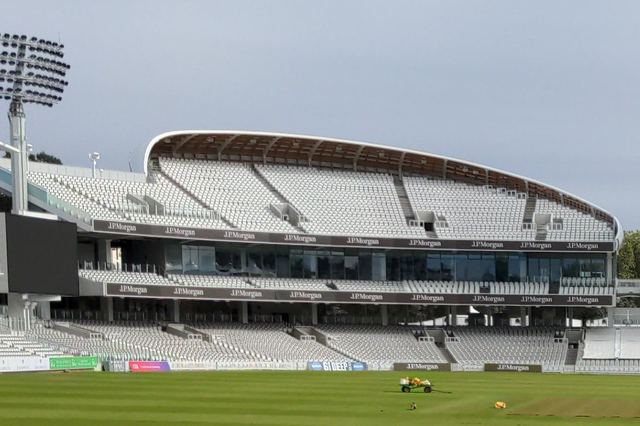

The Ashes is the cricket rivalry between England and Australia, named after a newspaper joke following England's defeat at the Oval in 1882. The small urn that became its symbol is a museum object at Lord's. The men's series and the women’s multi-format contest carry that shared name, but their schedules and ways of deciding the result are different.
Quick answer
The name began with a mock obituary for English cricket after Australia won at the Oval. England captain Ivo Bligh then travelled to Australia promising to regain the ashes. A terracotta urn given to him during that visit became the lasting symbol of the rivalry. The original was a personal gift, rather than a trophy made for teams to exchange.
That distinction helps when you see a winning captain holding an urn-shaped prize. The historic object, the presentation trophy and the sporting title are related, but they are different things. You can plan a visit to see the original at Lord's without attending an Ashes match, and watching an Ashes match elsewhere does not mean the original urn will be there.
The 1882 defeat and the mock obituary
Australia beat England at the Oval on 29 August 1882. The Sporting Times responded with a mock obituary presenting English cricket as dead and imagining its remains being taken to Australia. The joke gave an already competitive cricket encounter a name that spectators could repeat, and an image that both sides could play with when England's next tour began.
Ivo Bligh and the urn
Bligh's touring party visited the Rupertswood estate near Melbourne. MCC describes a social match there on Christmas Eve 1882, after which he was given the little terracotta urn. The visit was also connected with his meeting Florence Morphy, who later became his wife. For the couple, the object had a personal meaning as well as a cricketing one.
It later stayed at the family home, Cobham Hall in Kent. After Bligh's death, Florence gave it to MCC. The museum's own account stresses that it was their personal memento. That is why it is useful to separate the history of the object from the shorthand used about the teams: a side can hold the Ashes in sporting terms while the original remains in a museum collection.
Where the original urn is today
MCC identifies the museum at Lord's as the home of the original urn. Its history records exhibition visits to Australia, so avoid assuming that it has never travelled. If seeing it is the main reason for your visit, check the current tour information and any collection notices before booking. A display's normal home and the arrangements for a particular date are separate questions.
The Lord's guided-tour page includes the MCC Museum in its description. Start with our tour guide, then use MCC's booking information to choose a visit that fits your trip. Keep the tour booking distinct from any match ticket or hotel reservation. If your time in London is short, choose the tour slot first and work the rest of that day around it.
For a mixed group, it can help to agree what each person wants from the visit. One may be interested in the cricket story, another in the ground itself. Check the areas included in the tour you select, and ask about access needs before committing. Leave room in the day for the journey and for finding the correct arrival point.
Lord’s guided-tour visitor guide · MCC: current Lord’s guided tours
The trophy captains receive
MCC commissioned an urn-shaped Waterford Crystal trophy after discussions with the cricket boards. Its account dates the first presentation to the end of the 1998–99 series. That provides a prize for the winning captain while the much older terracotta object remains part of the museum collection. The presentation connects the current contest with its history without making the original a travelling team possession.
When following photographs or television coverage, read the caption before assuming which object is shown. The easiest way to keep the story straight is to remember three parts: the original personal gift, the later presentation trophy and the title earned through the series. They share a symbol, but a result does not change the original urn's museum ownership.
How a series is won and retained
The men's Ashes is decided by Test-match results across the series. Winning a match and winning the series are separate achievements. A level series lets the existing holders retain the Ashes, which explains why a team can celebrate keeping them even without winning the overall contest outright. An individual drawn Test and an overall drawn series are different outcomes.
If you are following cricket for the first time, keep the series score beside the current match score. The match tells you what is happening now; the series score shows what either side still needs. Cricket Australia's account of the 2023 series provides an example of retention: Australia kept the Ashes after the Manchester draw made their lead impossible for England to overturn.
A first visit to Test cricket · Cricket Australia: the 2023 retention explained
Following the 2027 series
The 2027 men's contest visits Trent Bridge, Lord's, Edgbaston, Utilita Bowl and the Kia Oval. Use our main Ashes guide for dates, ticket routes and the ground comparison. Choose your match and ticket before settling the travel. The history may be shared across the series, but the practical experience depends on the venue, stand and day you book.
You can make the trip about one day of cricket, several days at a ground or a route between cities. Start with the time you have and the kind of visit you want. Then compare shelter, access and your journey home. There is no need to turn a first Ashes visit into a whole-series itinerary unless that is the trip you actually want.
The women’s Ashes uses points
The women’s contest combines formats. In 2027 the Headingley Test is followed by three IT20s and three ODIs. The Test offers four points for a win, or two each for a draw, while each white-ball win is worth two. Follow the points total across those matches instead of applying the men's Test-series score to the women’s competition.
Our Women’s Ashes guide brings the seven fixtures together. If you are combining the two series in one holiday, check each product's full name and date before paying. Shared cities and the same opponent can make a quick glance misleading; the right booking is the one that matches the cricket you intend to watch.
Check before you book
If seeing the original urn is central to your plans, confirm its display and tour arrangements with MCC for your date. Check match tickets and accommodation separately.
Questions before you go
Why is England against Australia called the Ashes?
A mock newspaper obituary after England's 1882 defeat imagined the ashes of English cricket being taken to Australia. The phrase became attached to the rivalry.
Where is the original Ashes urn?
Its home is the MCC Museum at Lord's. Check current display and tour arrangements if you are planning a visit specifically to see it.
Do the winning players take the original home?
The original is a museum object. MCC commissioned a separate urn-shaped Waterford Crystal presentation trophy for winning captains.
What happens if the men’s series finishes level?
The existing holders retain the Ashes. Winning an individual Test is different from winning the series.
Is the women’s contest also decided only by Tests?
No. The 2027 Women’s Ashes combines a Test, three IT20s and three ODIs, with points awarded across the formats.
See the urn at Lord’s – stay in St John’s Wood
Compare St John’s Wood for your Lord’s visit.
Search hotels on Booking.com →We may earn a commission if you book through this link.
Sources
- MCC: the Ashes history and presentation trophy — checked 24 October 2026
- MCC: the urn as a personal gift — checked 24 October 2026
- MCC: current guided tours and museum — checked 24 October 2026
- Cricket Australia: retaining the Ashes in 2023 — checked 24 October 2026
- ECB: 2027 international schedule — checked 24 October 2026
- Edgbaston: Women’s Ashes points — checked 24 October 2026